Customizable Industrial Air Pollution Control Solutions
Ensuring clean air from industrial operations is crucial for the safety of onsite staff and neighboring communities, as well as for maintaining a socially responsible operation. Industrial air pollution control technologies are designed to capture and neutralize pollutants, preventing their release into the atmosphere. Each unit provides reliable, energy-efficient performance tailored to the unique needs and output of your facility.
Our extensive range of technologies allows ATP Environment to thoroughly evaluate each application, recommending the best solution based on performance requirements and efficiency needs.
Contact us today to learn more about our industrial air pollution control systems or to select your new system.
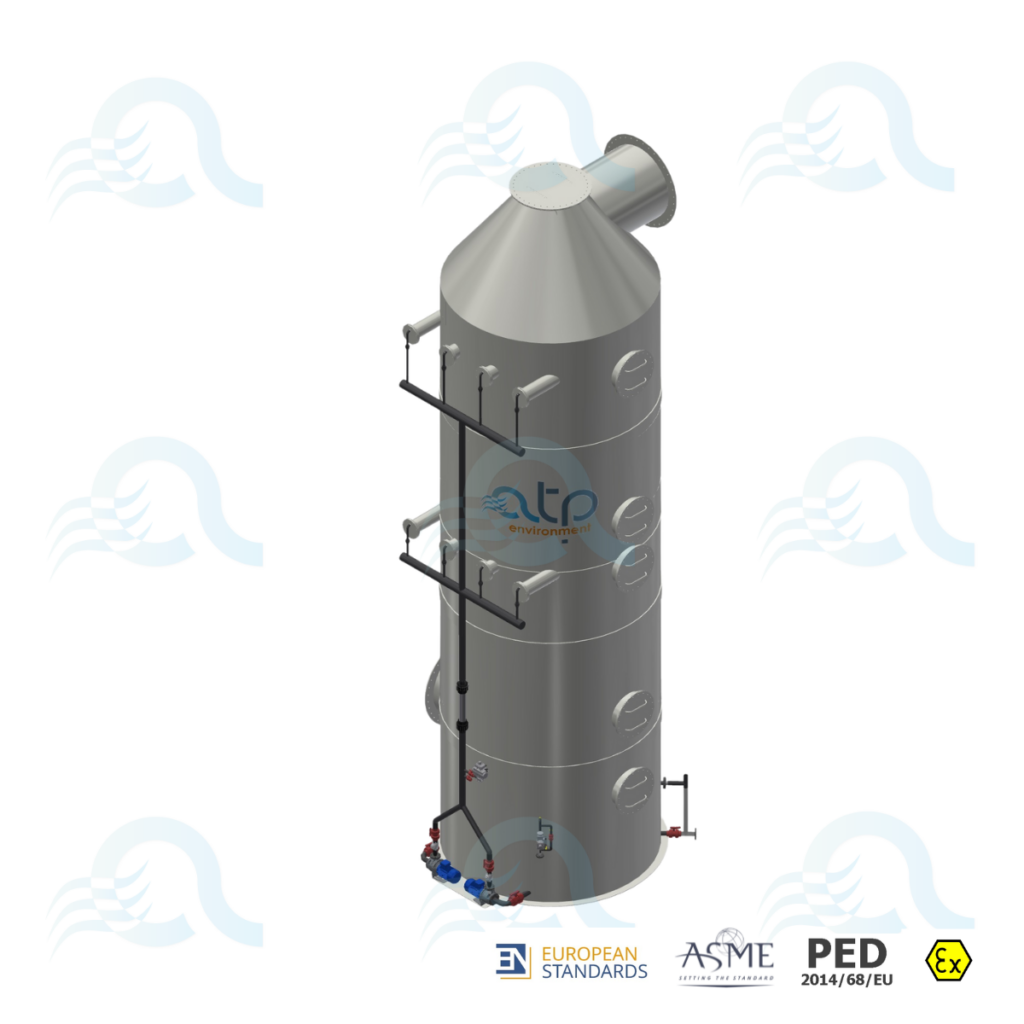
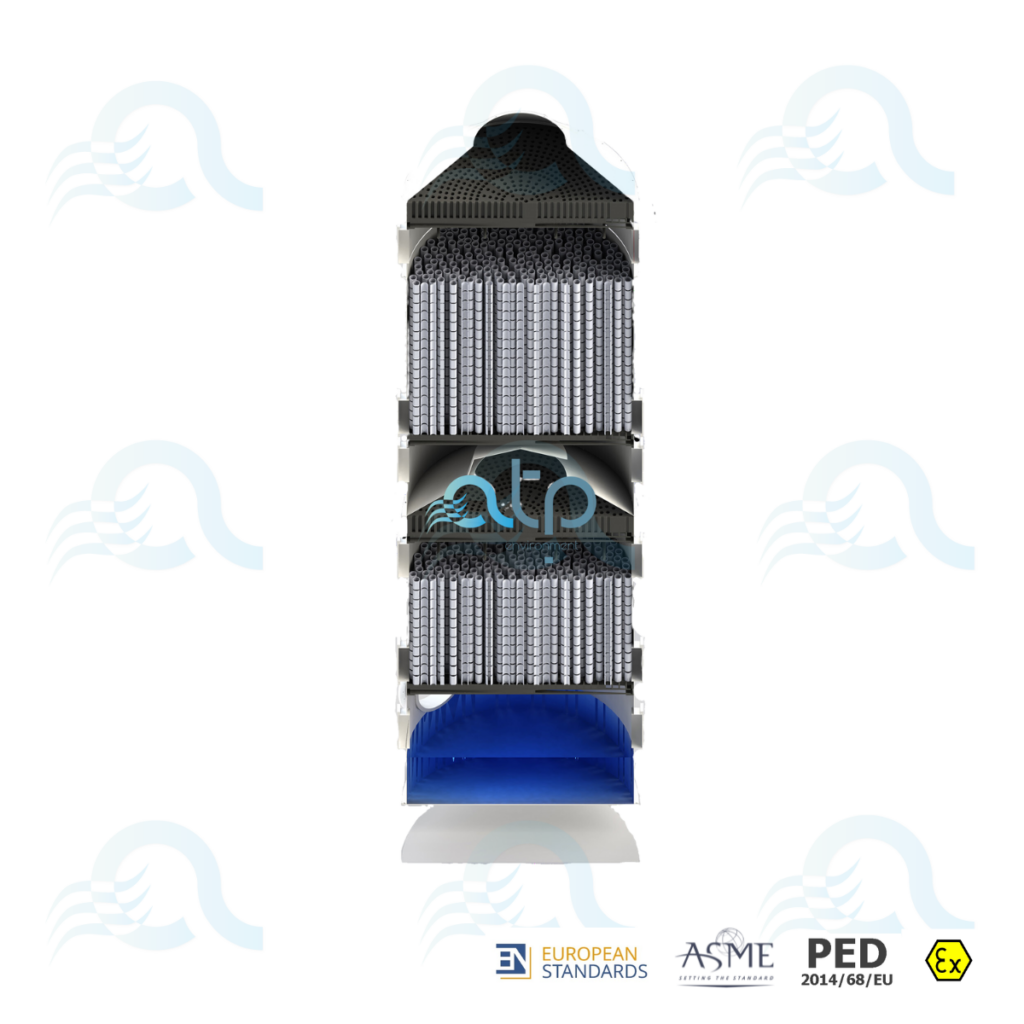
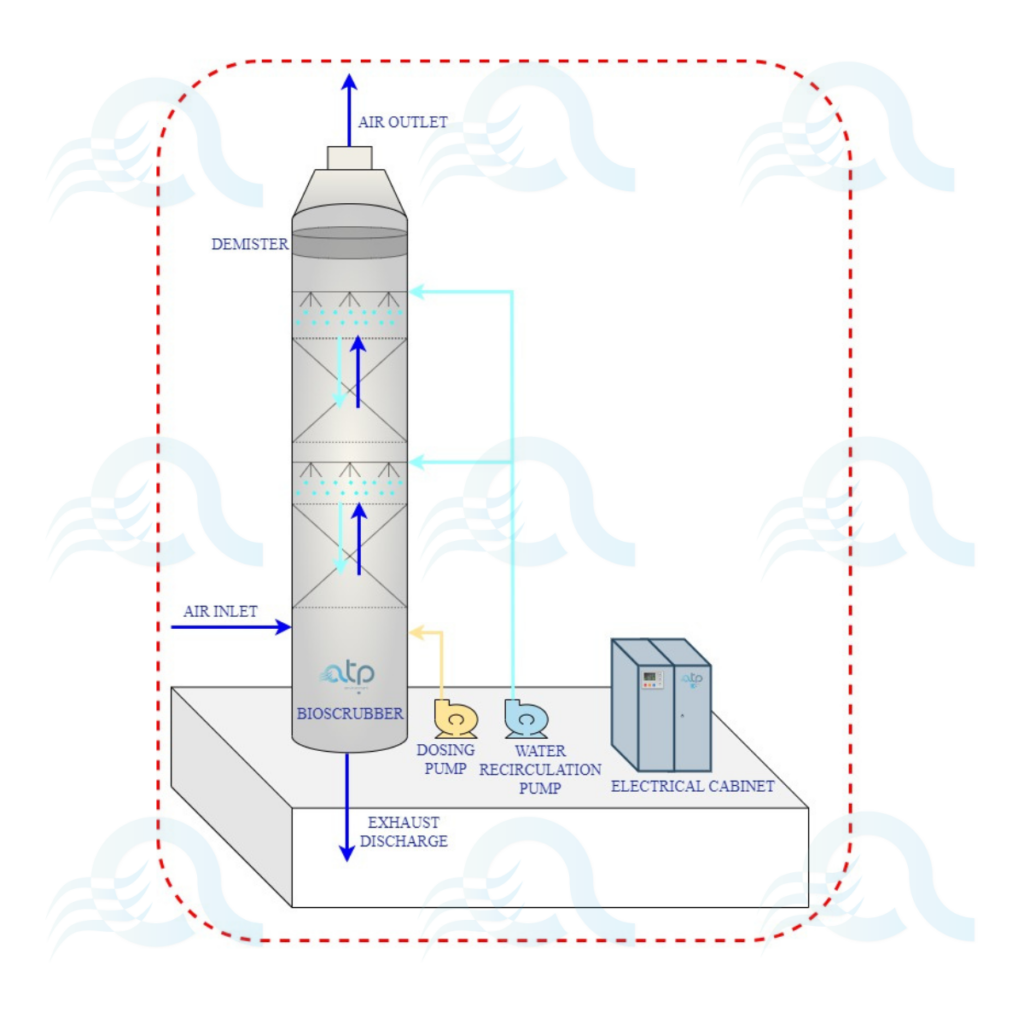
The BIOscrubber by ATP environment is an innovative and highly effective solution for treating air streams containing volatile organic compounds (VOCs), ammonia, and odorous compounds. It uses microorganisms to naturally decompose and remove these pollutants from the air, ensuring high removal efficiency, emissions fully compliant with environmental regulations, and reduced operating costs and management complexity compared to conventional chemical treatments.
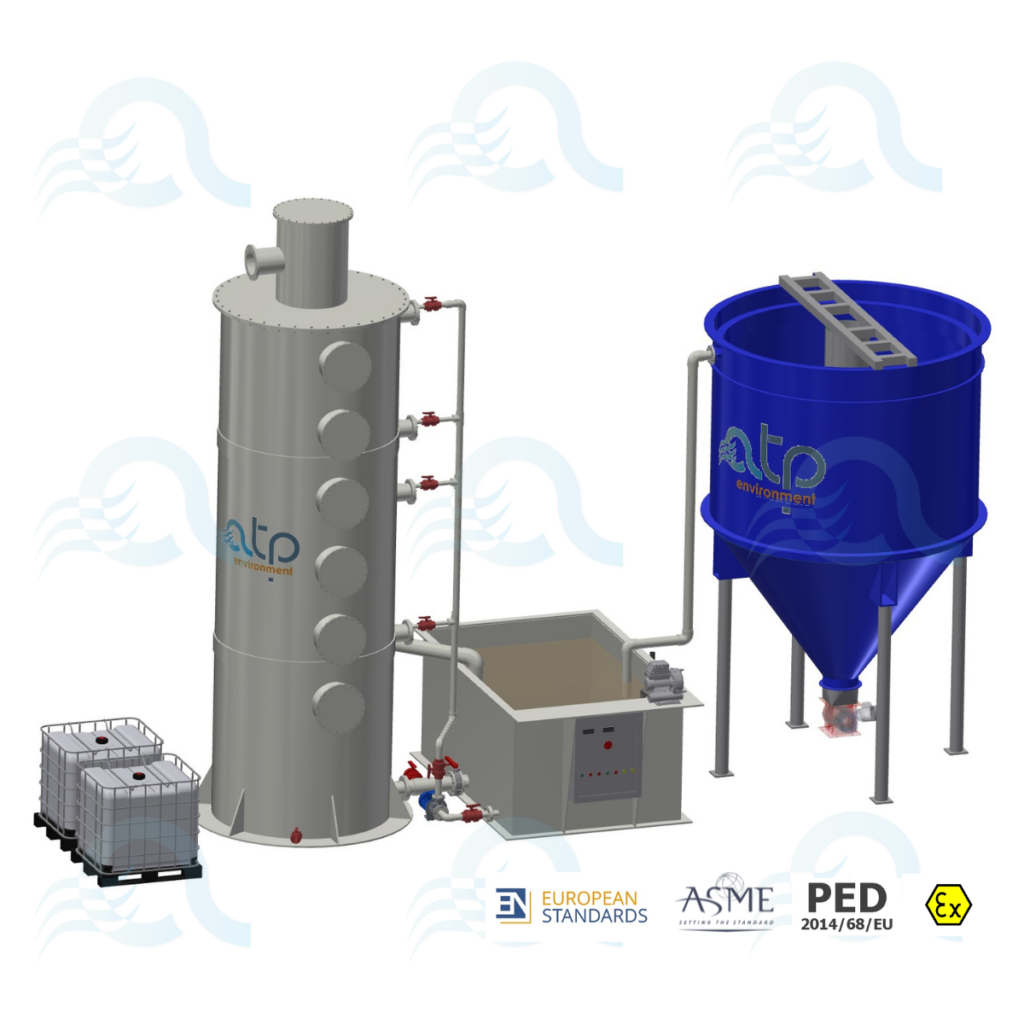
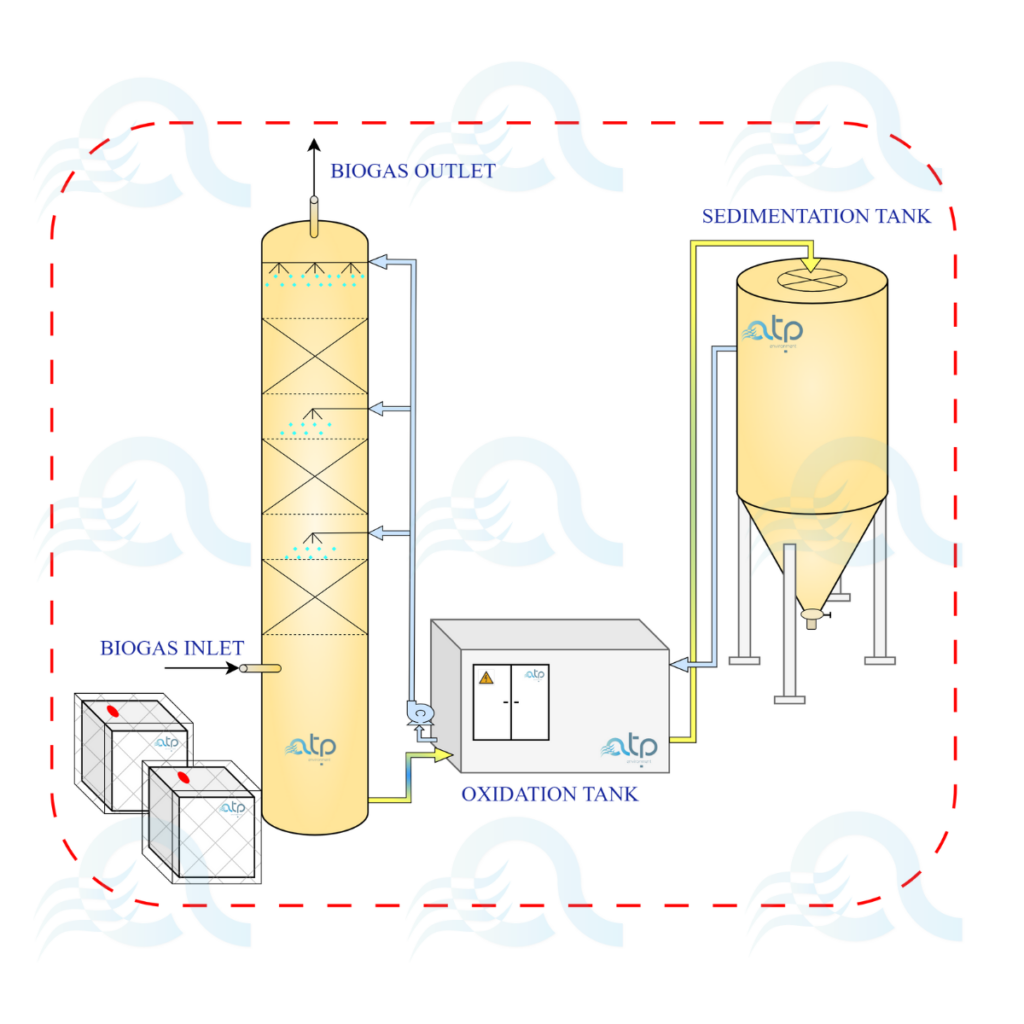
The desulfurization scrubber is an engineered technology specifically designed to remove H₂S, dust, and odors from biogas during the cleaning and upgrading phase. High concentrations of H₂S make biogas highly corrosive, leading to significant operational, consumption, and maintenance issues along the biogas production line.
The desulfurization scrubber by ATP Environment ensures high treatment efficiency, compliance with environmental regulations, and safe, continuous operation.
The DeNOx scrubber implements the use of liquid hydrogen peroxide to oxidize NOx species. This technology guarantees a reduced NOx emission with contained costs.
The POST OX scrubber is specifically designed to address the removal of pollutants from gases generated during oxidation processes before they are released into the atmosphere. It effectively removes SOx, H₂S, and other acidic compounds, ensuring operational safety, process continuity, and full compliance with environmental regulations.
The OXY scrubber by ATP Environment is a system designed specifically to remove ethylene oxide from industrial gas streams. It operates on the chemical scrubber principle to achieve very high removal efficiencies of C₂H₄O (>99%), while ensuring mechanical operational safety (PED-certified equipment) and electrical safety in explosive environments (ATEX certification).
To identify the most suitable technology to reduce industrial emissions, whether fumes, gases or polluted/odorous air from production processes, it is essential to analyse various factors:
characteristics of the fluid: composition, temperature, volume (flow rate in m³/h) and humidity
available space: evaluate the area required to install the abatement system
investment budget: consider the costs of purchase, installation and maintenance.
After collecting this data, it is possible to identify the most suitable technology to reduce emissions. In more complex cases, it is advisable to rely on a specialised company for a preliminary study, known as FEED Engineering. This process allows you to evaluate the different technological options, analysing the operating costs (OPEX) and investment costs (CAPEX), thus ensuring the choice of the most efficient solution.
The technology for the abatement of dust and other kinds of PM (particulate matter) from air currents must be chosen based on the size, weight and composition of the dust and the air flow that contains it. In fact, depending on the industrial process of origin, the air can contain different types of dust, such as
metallic dust
plastic particles
dust from the food industry (starch, shells, flours)
dust from waste treatment
dust from the recycling of batteries and electronic components
and many others. In many cases the best solution is wet technologies such as the venturi scrubber, or dry technologies such as bag filters or absolute filters. If you have a problem with PM emissions contact ATP environment team to know which technology best suits your application.
Industrial emissions restrictions vary by industry and country. It is recommended to contact local environmental agencies to learn about current regulations. If the production process does not comply with industrial emissions regulations, it is necessary to install an air/gas purification system that specifically designed by a company with experience in the sector such as ATP environment. Given the concentration of incoming pollutants and the limitation on emissions, our team of experts will prepare a suitable engineering solution.
The limitations on industrial emissions into the atmosphere vary according to the industry and the country where the companies operate and for this reason we recommend contacting local environmental authorities to find out the current regulations. In the event that the production process does not comply with the regulations on industrial emissions, it is necessary to install an air/gas purification system, specifically designed by a company with experience in the sector, for example, for gaseous effluents contaminated with acidic compounds, an efficient treatment method can be the use of ATP environment scrubber towers.
Industrial emissions regulations are constantly evolving. If your country has lowered emission limits and you already have an air treatment system, it is essential to comply to avoid fines and plant shutdowns. If, however, you did not have a system, it may make installation necessary. In any case, rely on an expert in environmental technologies for the treatment of industrial emissions. ATP Environment can:
evaluate the technologies currently in use
conduct an engineering study for the improvement or replacement of systems
revamp existing systems
design, build and install new systems
ensure compliance with new regulations without compromising productivity
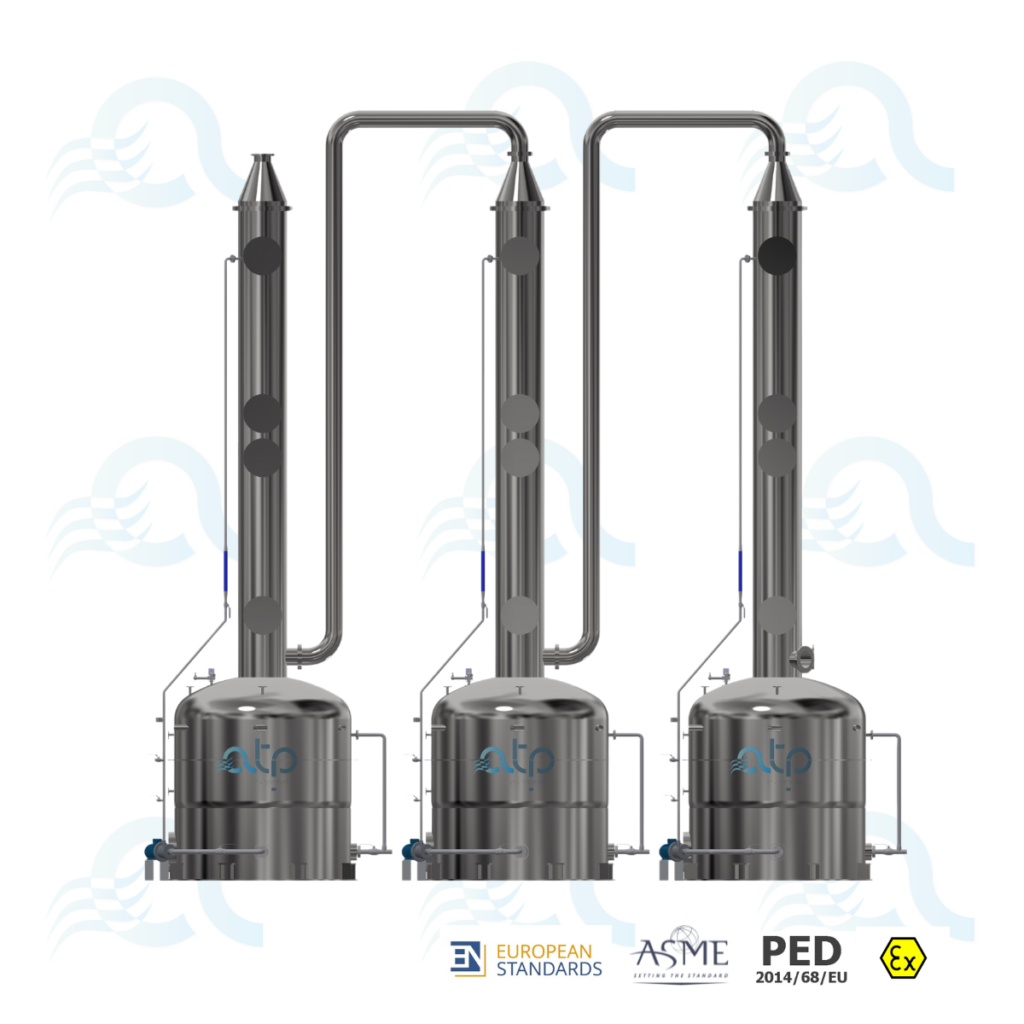
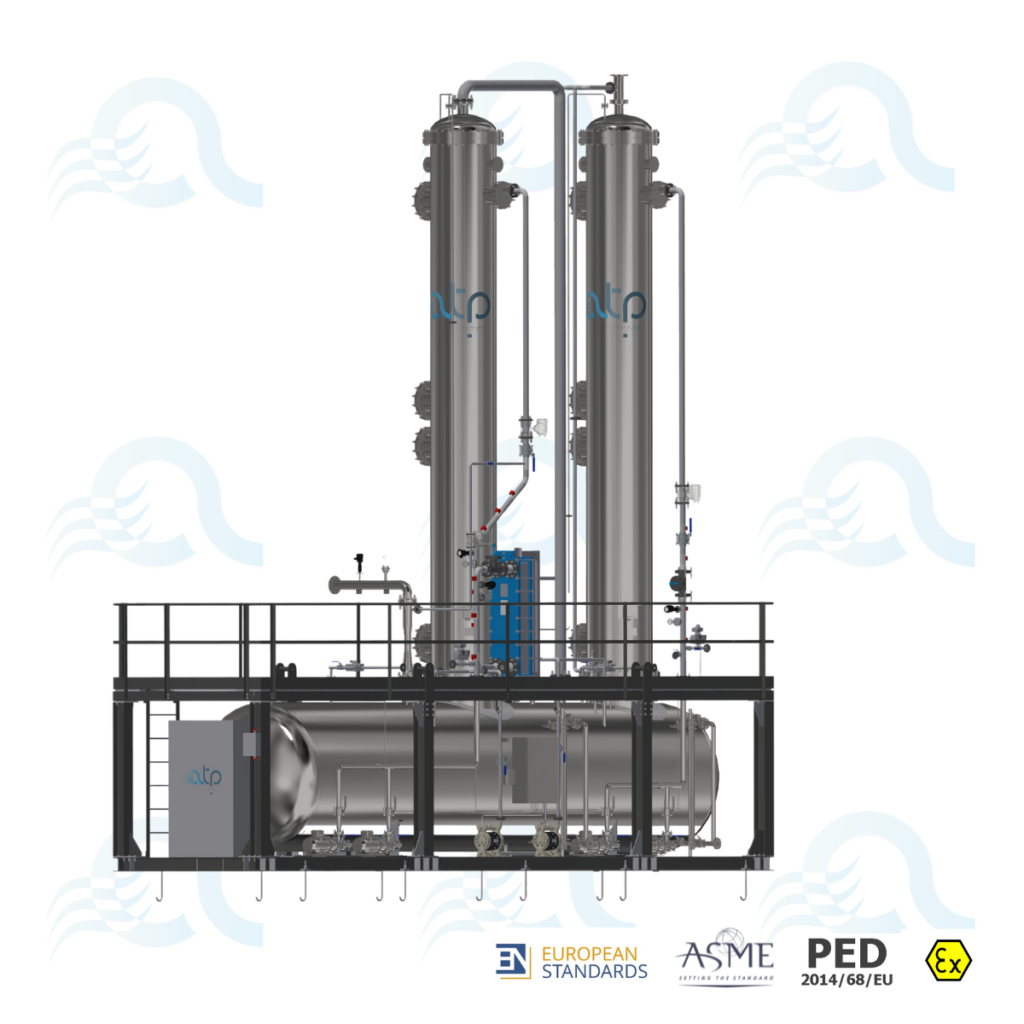
In the world of industrial air scrubber technologies there are three main configurations:
Vertical “packed bed” scrubbers
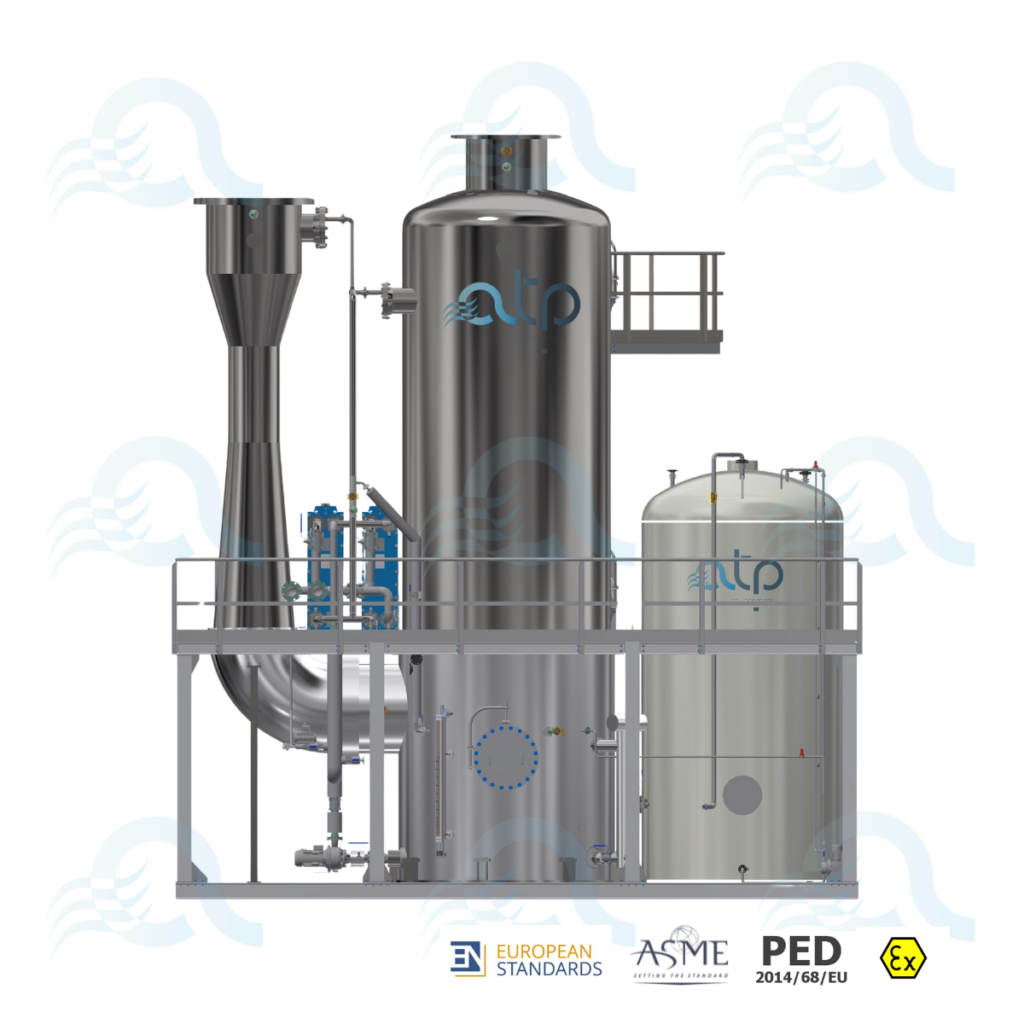
Jet scrubbers (with empty section)
Horizontal scrubbers
Venturi scrubbers
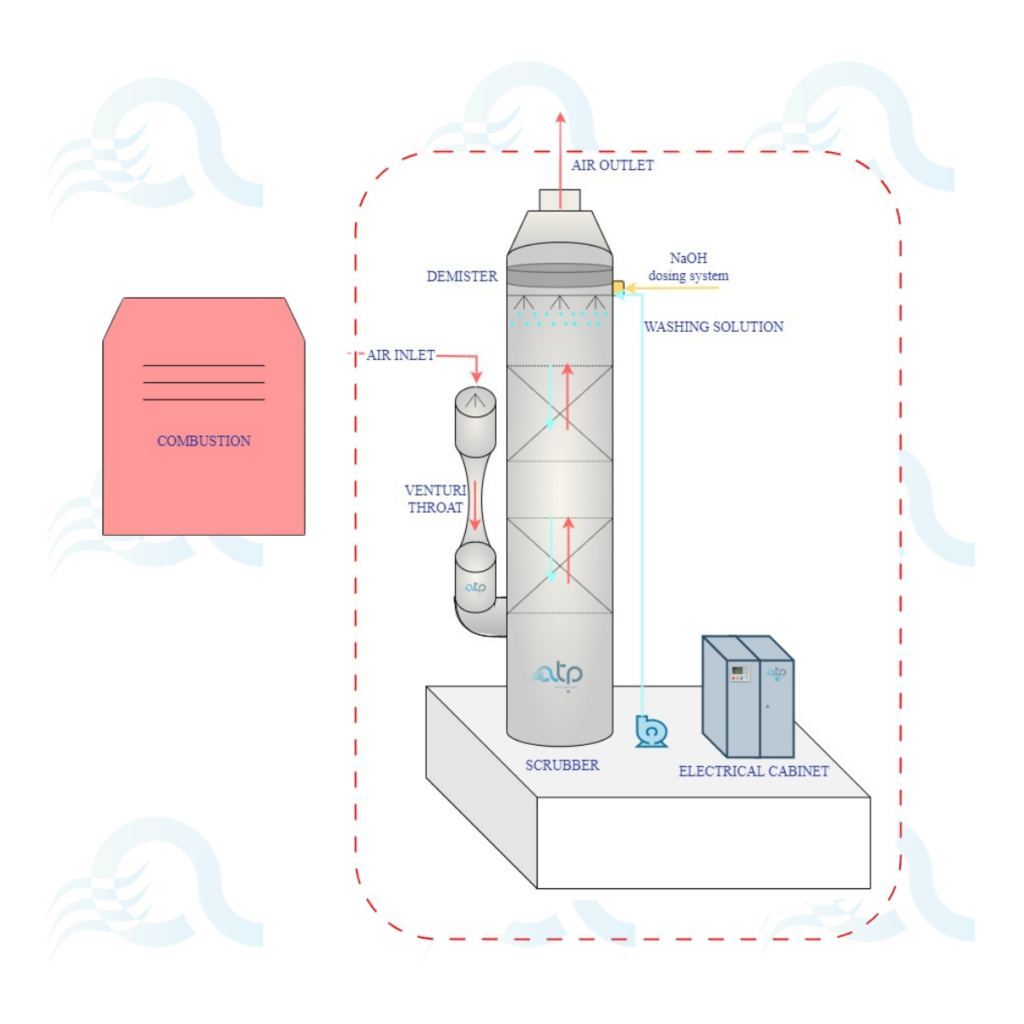
The term scrubber generally refers to technologies for the purification of industrial emissions, which use water (clean, or with chemical or biological reagents) to literally wash (scrub) the air.
The dimensions of scrubbers for the treatment of industrial fumes depend mainly on the air flow rate to be treated. However, other factors also influence their dimensions, such as the required abatement efficiency and the composition of the gases. The type of scrubber chosen significantly affects the footprint:
Vertical scrubbers take up less floor space, but require more space in height
Horizontal scrubbers, on the other hand, require a greater horizontal area, but reduce the footprint in height and allow for greater weight distribution
Efficiency can be calculated as the percentage reduction of pollutants at the exit of the treatment on the initial input value. The treatment of industrial fumes with a scrubber technology can reach high levels of efficiency, depending on the composition of the incoming gases and the correct engineering of the air treatment plant. In some cases, scrubbers can reach 99% efficiency on the reduction. To have a high reduction efficiency in the most severe cases of contamination it is necessary to contact experts such as the team of engineers at ATP environment.
In the case of water-soluble VOCs, the recommended technologies for odor treatment are air scrubbers, bioscrubbers and biofilters. In general, removing unpleasant or nauseating odors from the air coming from industrial processes is not a trivial matter as the substances that generate them can be of various natures. For this reason is important to conduct a gas analysis and consult with an air treatment expert such as ATP environment that can identify the best technology for your odor problem.
The term scrubber usually refers to technologies for the purification of wet industrial emissions, that is, those that use water (clean, or additive with chemical or biological reagents) to literally have (scrub) the air. It is therefore an excellent solution in the case of water-soluble polluting compounds, or with good wettability, that can react with acid or oxidizing solutions based on their nature.
any question?
GET IN TOUCH WITH US
Looking for an answer quickly?
Ready to start your project?
Send us your application details filling a more detailed form. We’ll have all the information we need to answer at the best: